


How To Choose Timber Decking For Outdoor Garden?
August 6, 2021
Can A Landscaper Save A Dying Tree?
October 13, 2021Knowing The Types of Pests In Your Garden
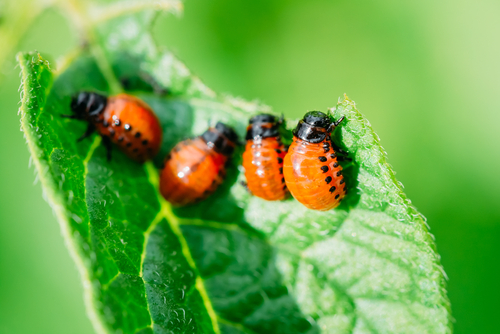
Knowing The Types of Pests In Your Garden. Pests can cause significant harm to your garden, and there are many different varieties to choose from. To combat pests adequately, you must first be able to identify precisely the type of pest you are dealing with to know how to proceed.
Certain bugs will only attack a specific kind of plant, but others are more indiscriminate in their approach. It is essential to identify pests in the home garden as soon as possible to keep your plants and flowers safe from harm.
Read on – Knowing The Types of Pests In Your Garden!
There are two types of typical garden pests that every gardener may come across at some point.

Some insects gnaw holes in plant leaves, for example:
- Beatles, earwigs, grasshoppers, slugs, and caterpillars are examples of creatures that fall within this category.
Lastly, plant-eating pests feed on plants by draining the juices from them, much like a spider does with the prey it is feeding on.

- Whiteflies, aphids, leaf miners, and garden mites are some of the insects that attack plants.
Twisted plant leaves that have lost their standard shape are most likely the source of a hungry caterpillar’s appetite. Some caterpillars will wrap up the leaves of plants, and they can only be seen after the rolled portion of the leaf is unfolded.
Aphids can be detected on the underside of a leaf if the leaf is examined closely. Aphids are typical garden bugs with a large abdomen, a practically transparent body, and six legs. Aphids are a type of aphid. When you have a magnifying glass nearby, it makes it much easier to identify these garden bugs.
Seeing a translucent trail beneath the surface of a leaf may indicate that you are experiencing a leaf miner problem. Burrowing beneath the surface of the soil, this garden pest feeds on the leaves of plants. Remove a leaf and hold it up to a solid light to observe how the bug earned its name.
Garden slugs are most likely to be to blame if you notice traces on the leaf surface.
Where to Find Them?

Many different types of pests in the home garden can be found underneath or on the surface of leaves, flowers, and other plant parts. To protect your plants, you should inspect them regularly for symptoms of insect damage.
Because of their small size and propensity to blend into their surroundings, insects are not always easily detected in their natural habitat.
The use of a powerful magnifying lens can aid in the detection of even the smallest of bugs. If you’re not sure whether insects caused the damage to your plant, you should take a piece of the plant to a gardening center for evaluation.
If you want to grow healthy crops and plants, you must learn to identify common pests in the home garden as soon as they appear. If an issue is identified early, it is possible to save months of hard work from going to waste.
This article describes how to identify and manage the most common garden pests.
Are They Good Or Bad Insects?
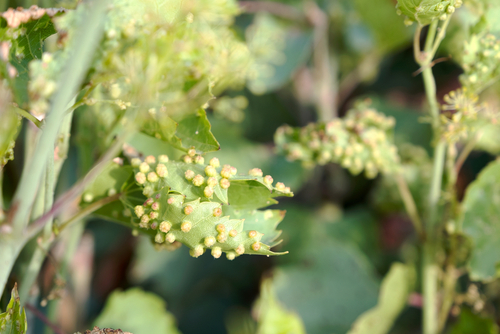
There are good and bad garden insects in your garden, and you must learn to distinguish between them so that you can determine which insects you should nurture and which ones you should exterminate from your yard.
However, some of the so-called evil insects are also food for the helpful insects, so you must be careful not to eliminate all of the food sources for the beneficial insects during your pest control efforts.
On the other hand, pest outbreaks are common in most gardens at some point in their lives. Most of you can take preventative measures to have flowers and vegetables that are nearly pest-free surviving in your garden as long as possible.
The majority of insects present in a garden are beneficial in pollination. They were additionally, crawling insects such as earthworms and centipedes aid in the aeration of the soil, while insect droppings and the remains of deceased insects aid in improving the soil’s fertility. Usually, beneficial insects contribute to the reduction of pest populations by preying on the pests.
It is important to note that there are three fundamental sorts of garden pests, which are as follows:

- Insects that live in soil and feed on seeds that have been sown in the ground and crops that are sensitive and soft. They are most commonly found attacking root vegetables such as carrots and potatoes. These insects include mole crickets, slugs, white grubs, and also cutworms, to name a few instances.
- Sucking insects utilize their sharp beak to puncture the skin of a plant and sucking the sap that is released as a result. As a result, the plant will turn yellow and may wilt, grow stunted, or become malformed, among other things. Pests such as aphids, spider mites, squash bugs, leafhoppers, and stinkbugs are examples of this insect type. Aphids are the most common type of pest insect.
- Chewing insects: Those insects cause the most havoc in the garden since they eat your plants. They eat leaves, vegetables, fruits, and flowers, among other things.
Ensure that you inspect your garden regularly to see whether any insects are attacking the vegetation. Also, experiment with cultivating plants that pests do not find particularly delicious. You may find out more about these plants by visiting your local nursery. Plow and plow the soil regularly to bring the soil insects to the surface so that birds can feast on their eggs and larvae.
Make confident that you use a high-quality organic fertilizer and that you adequately water your plants to keep them healthy. Plants that are in good health are almost always less susceptible to insect infestations.
What Should I Do?

Additionally, by cleaning and removing dead fruits and vegetables, as well as other waste from your garden, you may keep pests away from your plants. Insecticides should not be used indiscriminately. Instead, look for pesticides that are targeted precisely at specific pests. Sowing beneficial insects will foster the growth of beneficial insects, which will help keep the population of other pests down.
Knowing The Types of Pests In Your Garden – Conclusion

The detection of pests in the home garden is critical to maintaining a thriving and healthy garden. Only a limited selection of insects that might cause significant damage to your plants and flowers has been discussed in this article. By becoming familiar with their appearance, you will have accomplished half of your goal of eliminating them from your landscape.


